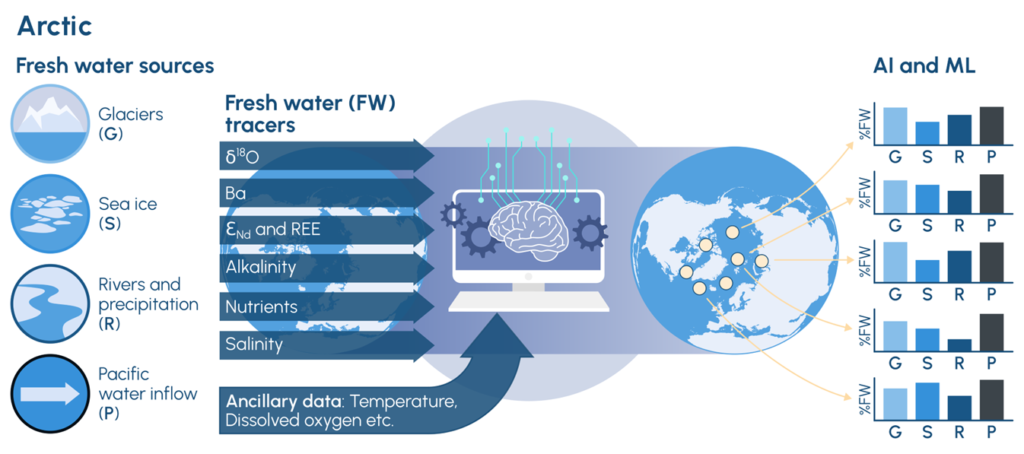
The Arctic is warming faster than any other region on Earth, heating 3 – 4 times faster than the global average. As a result, glaciers are melting more rapidly, major Arctic rivers are changing their flow, and sea ice is retreating at unprecedented rates. Together, these changes are adding large amounts of freshwater to the Arctic Ocean, with far-reaching consequences for marine ecosystems, climate, and ocean circulation, both in the Arctic and around the globe.
Water from glaciers, rivers, sea ice, and the Pacific Ocean each carry different amounts and types of nutrients. Arctic nutrients support marine life, forming the foundation of food webs that extend far beyond the Arctic into temperate and tropical oceans. Therefore, tracing these sources of freshwater from land to ocean is a priority if the global consequences of Arctic change are to be understood.
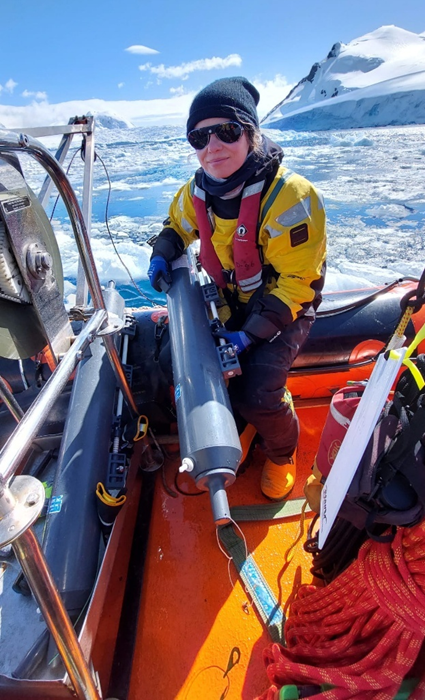
The different sources of freshwater inputs, from rivers, glaciers, and sea-ice, can be tracked through tracers such as the stable oxygen isotope δ18O, as well as certain trace metals and Rare Earth Elements. When these tracers are measured alongside temperature and salinity, they provide powerful insights into the pathways and fate of freshwater from land to ocean.
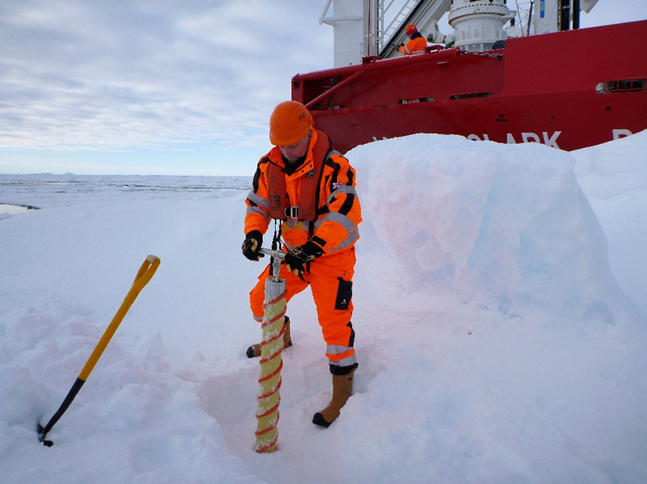
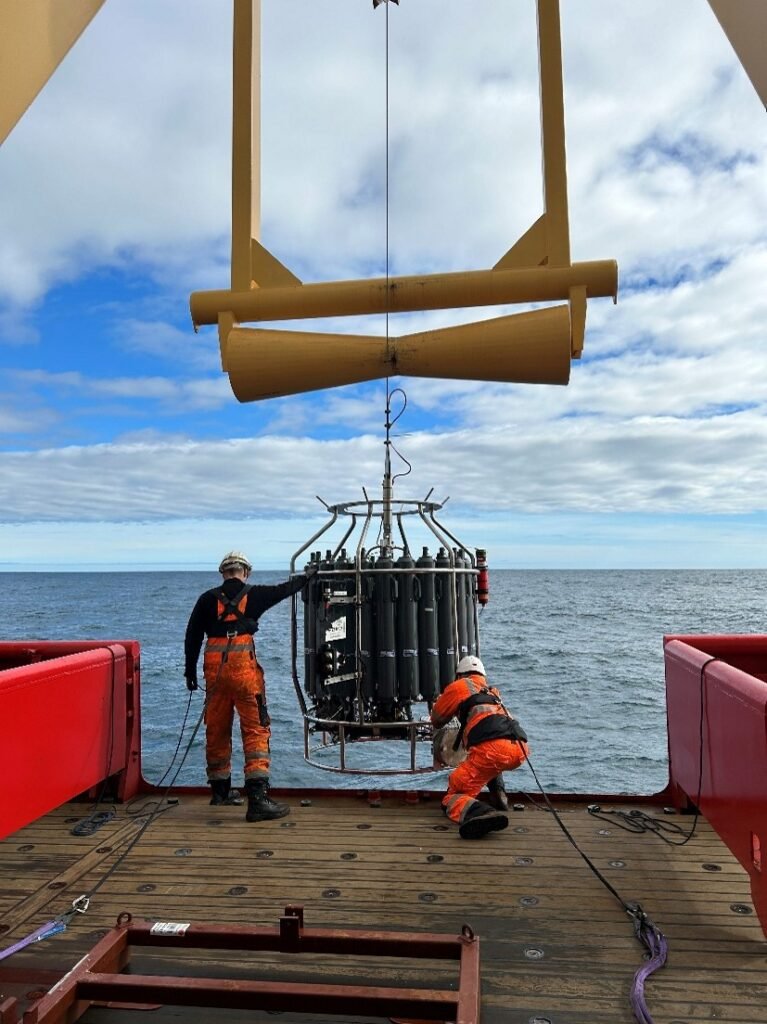
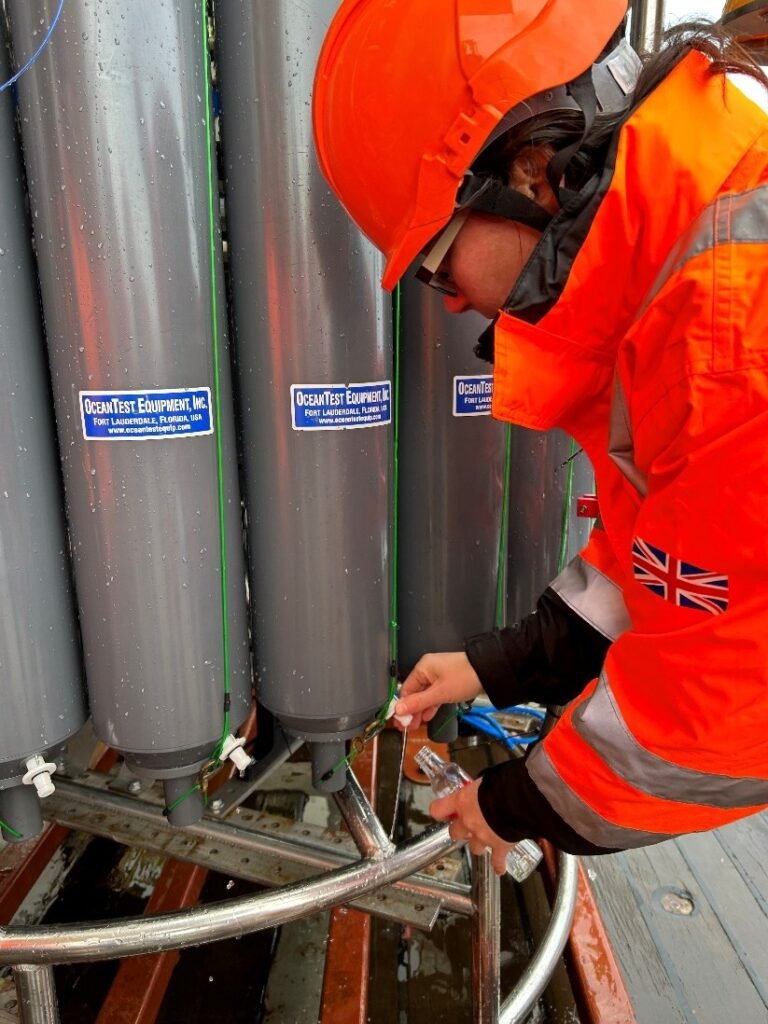
Collecting freshwater tracer samples is often possible within Polar field campaigns, but these are expensive and logistically challenging and limited to targeted regions and time periods. When combined with the in-depth laboratory analyses required, this has resulted in sample coverage gaps.
Furthermore, ocean circulation and mixing means that there are numerous factors that complicate the interpretation of freshwater tracer data that require powerful analytical approaches. Together, these challenges have prevented a comprehensive, Arctic-wide view of freshwater sources and pathways.
AISIT will produce a high-quality harmonised database of Arctic δ18O tracer data, establish community-driven quality control procedures and formulate clear, impactful scientific questions framed as machine learning problems. The ultimate goal is to evolve the AISIT database into an Artificial Intelligence (AI) benchmark to stimulate the design of novel machine learning approaches to challenging environmental science questions.
One major application will be the interpolation of freshwater tracer data across space and time, allowing the identification of patterns and changes that are impossible to detect from individual measurements alone. This will deliver profound insights on the distribution and fate of freshwater in the Arctic Ocean.
Ultimately, AISIT aims to become a lasting community resource, accelerating Arctic research, advancing AI methods, and improving our understanding of one of the most rapidly changing regions on the planet.